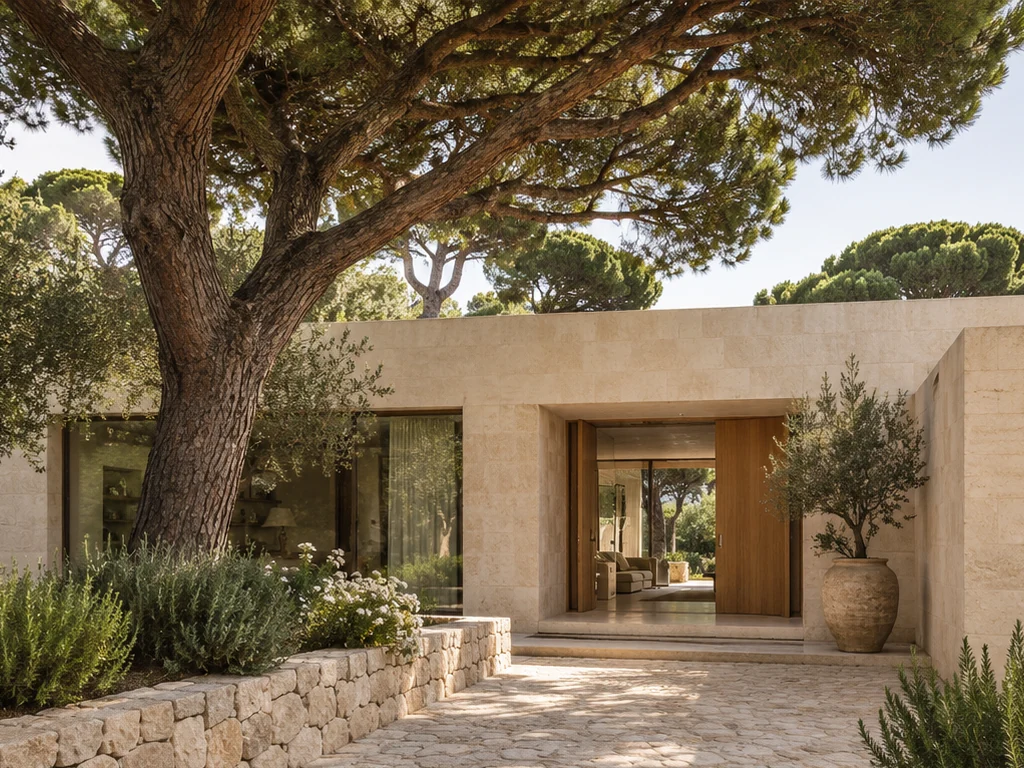
At a glance
- Create a folder for plans, areas, works and maintenance. Note when and where each piece of information came from.
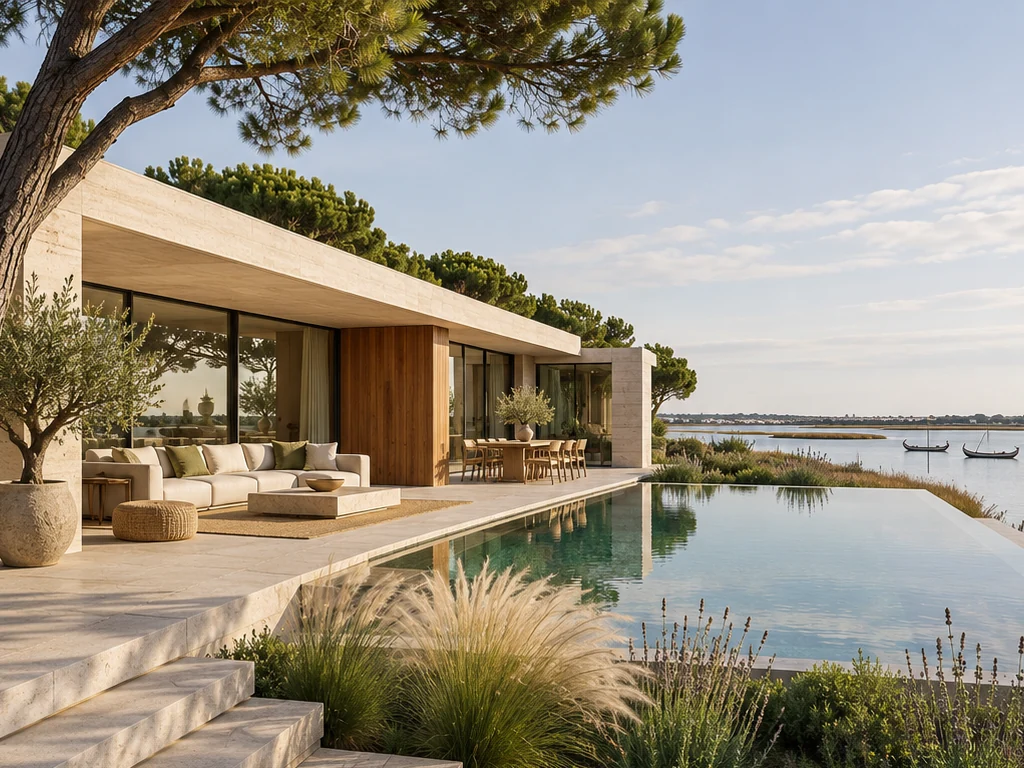
- Show how the house works. Use the floor plan and the order of the photographs to connect rooms, light and outdoor space.
- Ask which comparables support the valuation and gather feedback from the first viewings before changing the presentation.
What to gather before selling
Gather the floor plan you have, documents that show the areas, details identifying the property and information about any work, equipment or maintenance. Give each file a date and a source. If an alteration is missing from the plan or two sources show different areas, flag the difference so it can be checked.
A one-page summary helps separate confirmed features from those that need checking or specialist assessment. The Ministry of Justice’s guide to property documents and registration gives an overview in Portuguese of the paperwork you may need to check.
If you already have an energy certificate, check its validity and read ADENE’s guidance on energy ratings in property listings in Portuguese to see what applies.
How to prepare the home for photography
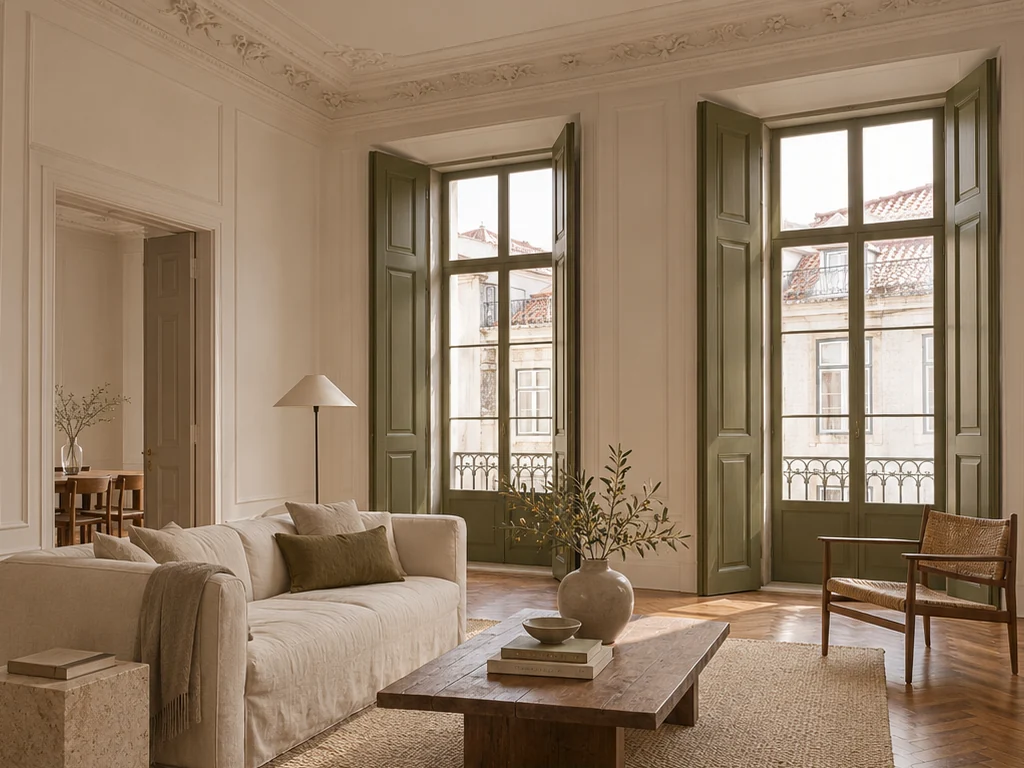
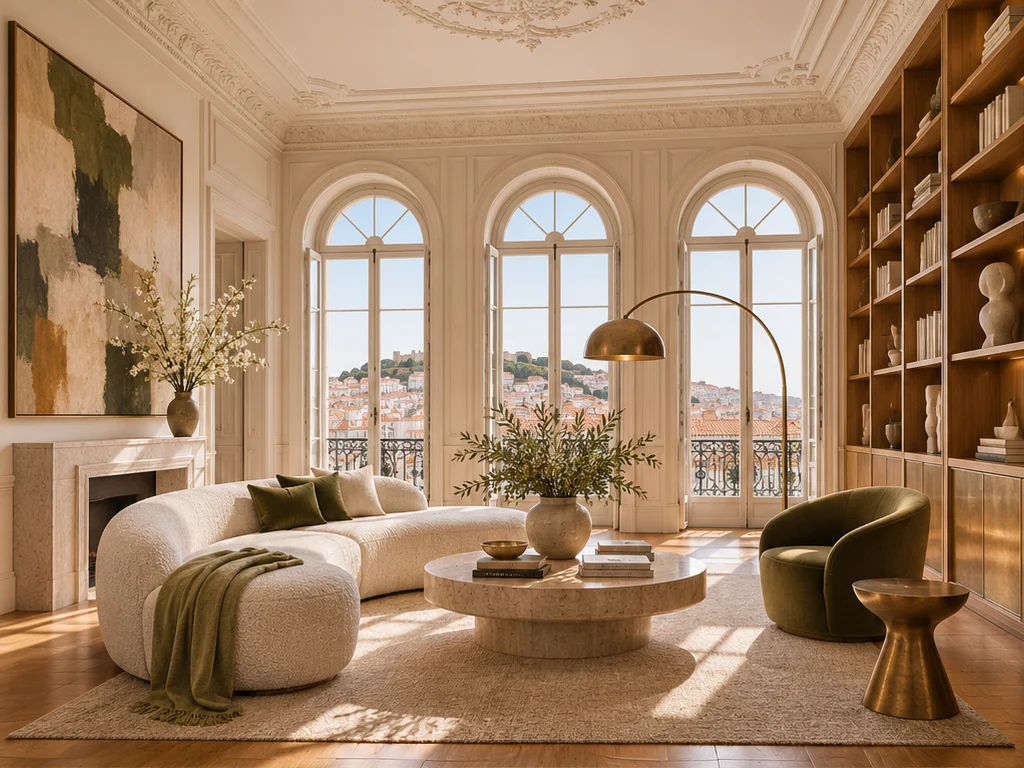
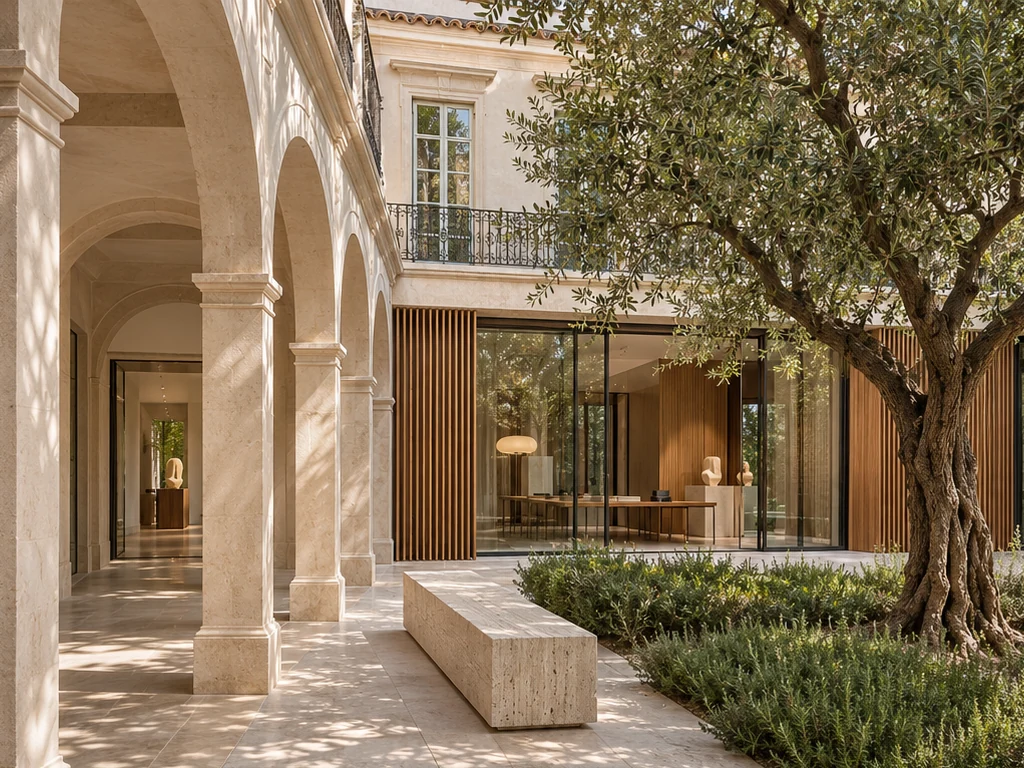
Walk through the home as though you had just arrived. Show how the entrance, sitting room, kitchen and outdoor space relate to one another. A photograph that explains how two rooms connect can tell a buyer more than one more detail shot. Save close-ups for materials and features that reveal something about the age, use or proportions of the home.
- Note when daylight is most useful on the façade and in the main rooms.
- Move objects that interrupt routes through the home and keep pieces that give a sense of scale.
- Align the order of the photographs with the floor plan and the way a viewing would unfold.
- Note the important materials or details the description needs to confirm.
In practice. If the plan shows an open balcony and the balcony is enclosed, keep a record of both sources. Describe what a visitor can see. Check the relevant documentation before relying on that area in the sales presentation.
How to discuss pricing and comparable properties
Good photography and a careful description help buyers understand the home. Pricing deserves a conversation of its own. Ask to discuss the range, the date of the data and the differences among the properties used for comparison. Floor level, orientation, parking and condition can matter differently in two nearby homes.
If a price is quoted, establish whether it is an asking price on the market or a confirmed transaction figure. Make a note of which assumptions would need looking at again if new information came to light. That gives you a shared starting point for the next valuation conversation.
What to prepare for the first viewings
Walk through the home at the hour a viewing would take place. Open the shutters, see whether doors are easy to pass through and put lights on where they are needed. Think of the two or three questions someone might ask about maintenance or how a space is used. Share the information with whoever will conduct the viewing.
Collect specific feedback after each visit. Was the relationship between the living area and outdoor space clear? Did the plan leave a question about a room? If the same point keeps coming up, decide whether it needs a better explanation, another picture or a separate check.
What to bring to the first conversation
Have the property folder, the objective of the sale and your list of outstanding questions ready. Consider when you can accommodate viewings. Together, these details help prepare a strategy that respects both the home and your own calendar.
Put information you can share in one column and questions to resolve in another. Next to each open question, note who or what could answer it. See how Premier Studio approaches valuations when preparing your first enquiry.